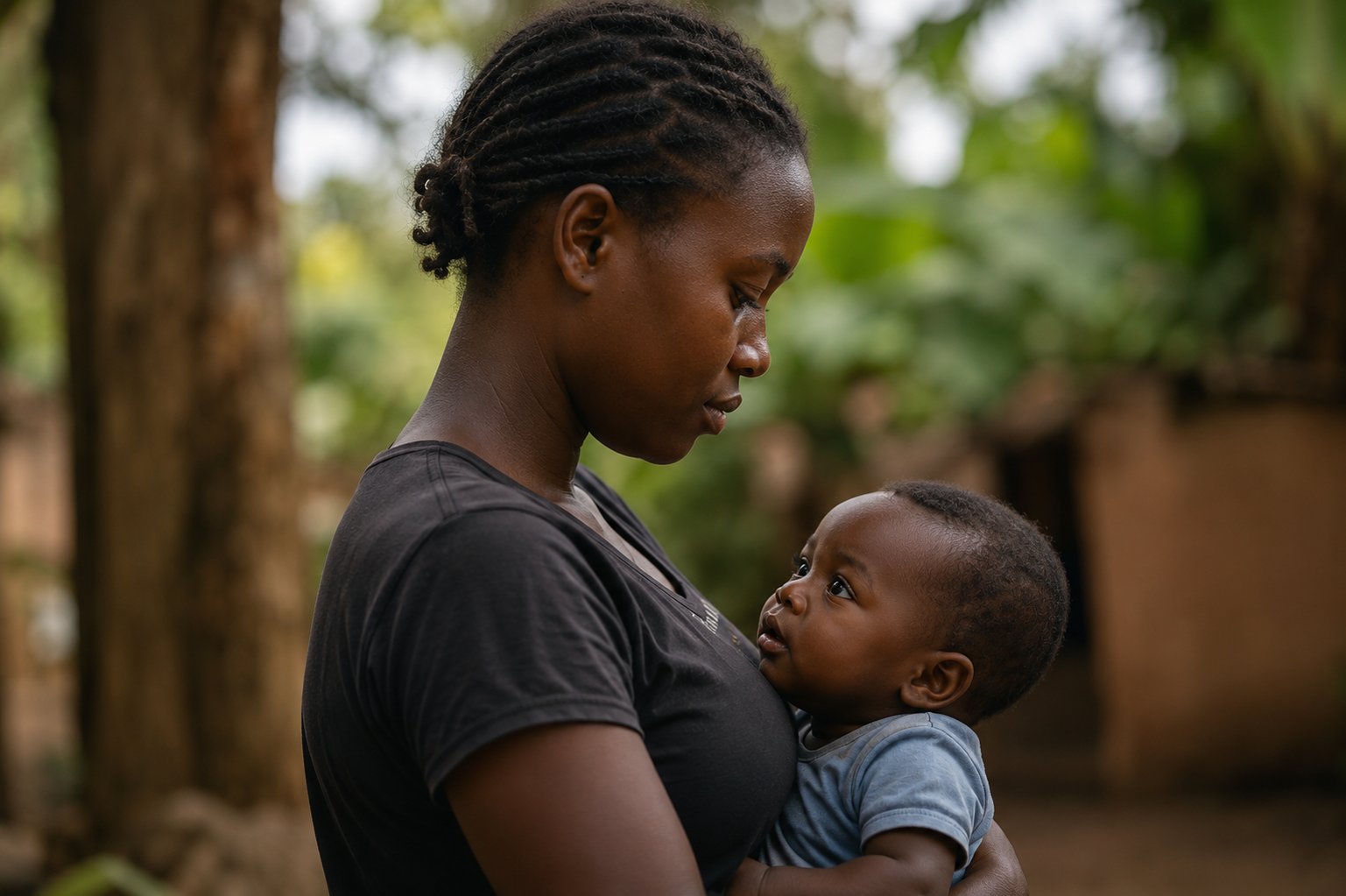
Teacher Emmanuel Habimana arrives at school before sunrise. He walks forty minutes from his home, carrying chalk, a worn marking pen, and a plastic folder of handwritten lesson notes. By the time the sun clears the hills, the classroom is already swept, the blackboard clean, and a single candle burning on his desk — backup for the days the electricity fails, which is most days.
His classroom holds eighty-six students. There are fifty-two desks. The children share without complaint, three to a bench meant for two, leaning into the slim shaft of morning light that cuts through the single window on the east wall. Emmanuel teaches with what he has: chalk, voice, and an unshakeable belief that what happens in this room matters.
The Investment Gap
Sub-Saharan Africa has made enormous strides in primary school enrolment over the past two decades. Where once fewer than half of school-age children attended, today the figure is closer to eighty percent. That is a genuine achievement. But enrolment is not the same as learning, and the quality gap — between children who sit in classrooms and children who leave them able to read and do arithmetic — remains vast.
"These children are not behind. They are under-resourced. That is a solvable problem. It just requires people who are willing to solve it."
The distinction matters because it changes the question. The question is no longer simply "are children in school?" but "what are they learning, and what do they need to learn more?" A consortium of educational NGOs and local government partners has been working on this question in Rwanda's Eastern Province for three years. The results are beginning to show.
What Works
The intervention is not glamorous. There are no tablets, no smart screens, no coding labs. What there are: more teachers, better trained. Structured lesson guides that give teachers clear frameworks while leaving room for their own judgment. Libraries — physical, stocked rooms with actual books — in every participating school. And data: regular assessments that track not school performance in aggregate, but individual student progress, so that struggling children can be identified and supported before they fall completely behind.
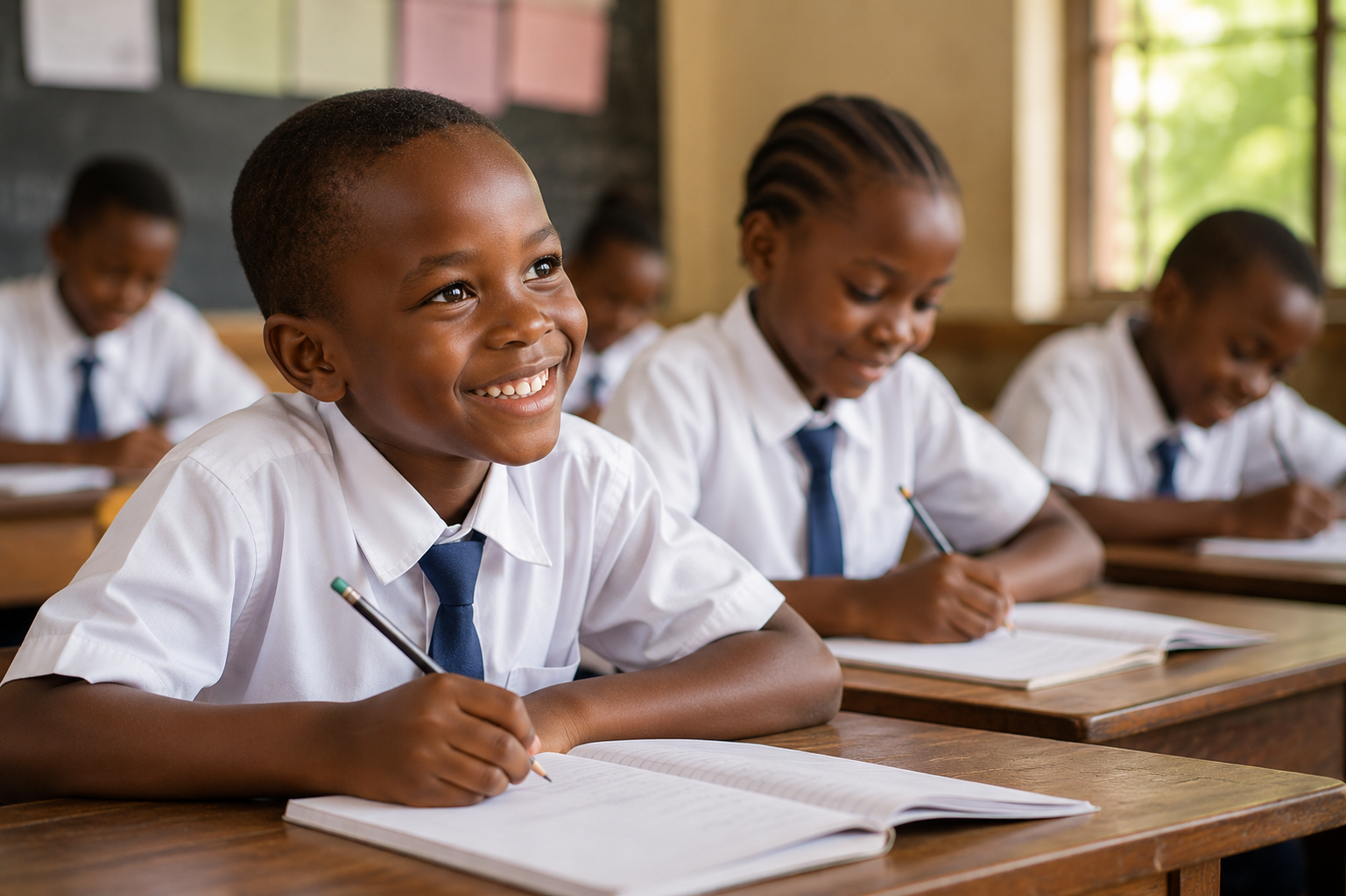
Emmanuel is part of a monthly teacher training cohort. He sits alongside colleagues from surrounding schools and talks through what worked in the past month, what did not, and what he is going to try next. He finds this — the conversation, the peer learning — almost as valuable as the lesson materials themselves.
"Before, I was teaching alone," he says. "Now I feel part of something. That changes how I teach. That changes what I believe is possible."
His students' reading scores have improved by an average of two grade levels since the program began. For a classroom running on chalk and candlelight, that is not a small achievement. That is a transformation — quiet, uncelebrated, happening every morning before the sun is fully up.
This story was produced in collaboration with an education foundation operating in Rwanda and Tanzania. All subjects participated with informed consent.