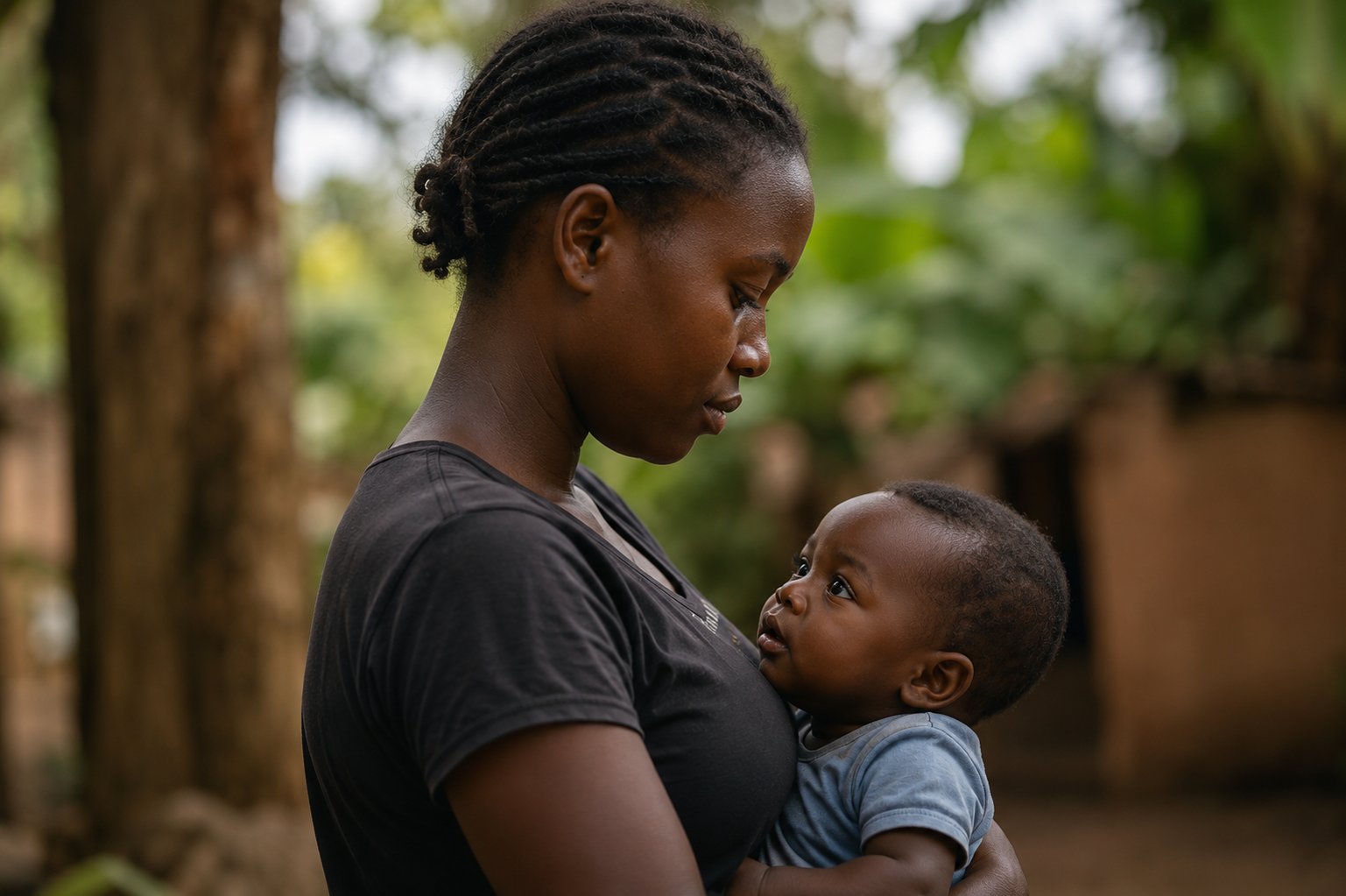
Joseph Bizimana has farmed the same land for thirty-one years. The land was his father's, and before that, it belonged to the village as common ground, worked collectively by families who had tended it for generations before the colonial borders were drawn. The land remembers things, Joseph believes. It remembers the water table before the eucalyptus plantations drew it down. It remembers the seasons before the rains began to arrive unpredictably.
In 2021, for the first time in memory, the dry season lasted four months longer than it should have. Joseph's bean crop failed. So did his sorghum. He sold two of his three goats to buy food for his family. He planted late and harvested less. He is not a man who complains easily, but sitting under the shade of a banana tree at the edge of his plot, his face is candid: "If I have one more year like that, I do not know what I do."
The Climate Is Not an Abstraction
For smallholder farmers across sub-Saharan Africa — who produce the majority of the food consumed on the continent — climate change is not a policy debate or a distant projection. It is a broken season, a failed harvest, a calculation made at night about whether there is enough to eat. The unpredictability is as damaging as the drought itself. You can prepare for hardship when you can anticipate it. You cannot prepare for a future that keeps arriving differently each year.
"The land is still here. The seeds are still here. What we need is the knowledge and the support to adapt. That is all. The rest, we know how to do."
Joseph is now part of a farmer cooperative of forty-seven households. Together they have adopted a set of climate-smart farming practices introduced through a three-year agricultural resilience program: drought-tolerant crop varieties, improved soil management techniques, rainwater harvesting through small hillside trenches, and careful crop rotation that rebuilds soil nitrogen without chemical inputs.
What Solidarity Looks Like
The cooperative is not only a farming model — it is a financial one. Members pool five percent of each harvest into a shared emergency fund. When a household faces a bad season, they can draw from the fund without interest. When costs need to be shared — buying seed in bulk, hiring a tractor for a day — the cooperative negotiates collectively, paying less than any individual could alone.
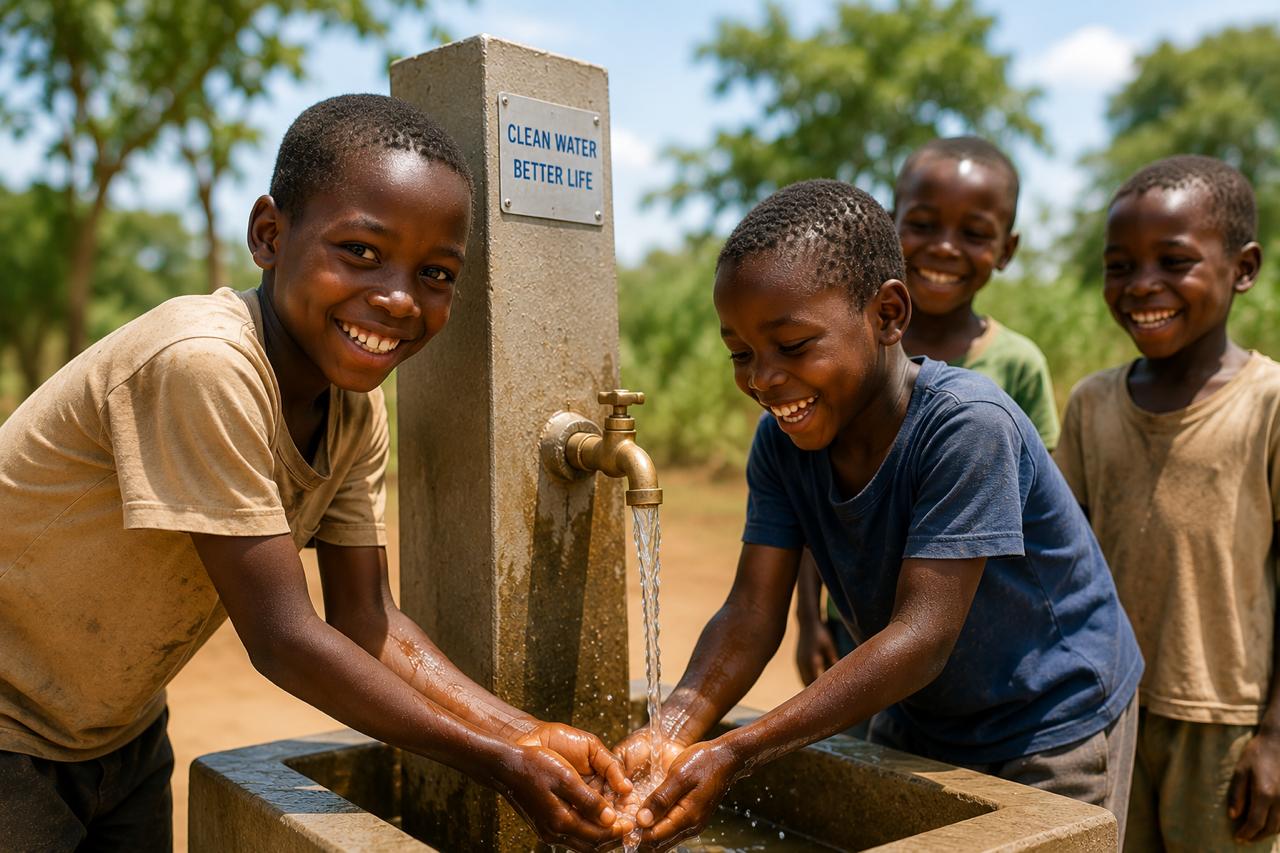
This year, Joseph's bean yield was the highest it has been in six years. His sorghum survived a three-week dry spell in August because of the shallow water-retention trenches he built along the slope of his plot. He sold his surplus at the local market and used the income to repair his roof and pay his children's school fees in full for the first time.
He is thinking about adding a small fish pond — there is a government extension program that will provide fingerlings and training to farmer groups with sufficient water access. The cooperative is looking into whether the collective rainwater reservoir, built last year with program support, might be enough to make it viable.
"The good thing about farming," Joseph says, gathering up his hoe as the evening light turns golden over the valley, "is that it teaches you to keep trying. You learn what the land needs. You try again. You do not give up on something just because one year was hard."
This story was produced in partnership with an agricultural resilience program operating across Rwanda and Burundi. Joseph Bizimana participated and reviewed this story prior to publication.